
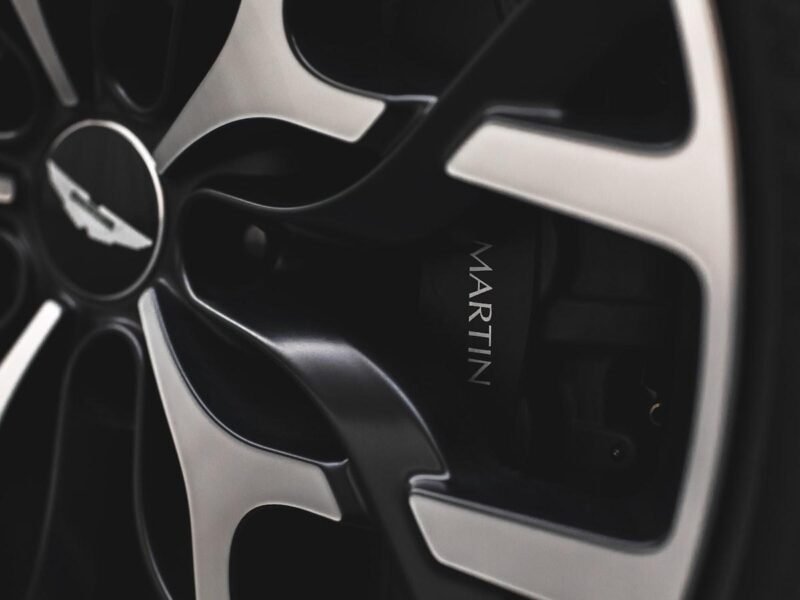
Have you ever stopped to consider the importance of the device that enables your car to smoothly navigate the road? From providing stability and traction to ensuring optimal performance, the rim plays a crucial role in the overall functionality of your vehicle. In this detailed guide, we will explore everything you need to know about this essential component, from different types and materials to maintenance tips and more. Strap in as we take you on a journey around the rim.
Key Components of the Wheel Assembly
The wheel assembly of a car is made up of several key components that work together to ensure a smooth and safe ride. At the heart of the assembly is the rim, which is the outer circular part of the wheel that holds the tire in place. Rims come in various materials such as steel, aluminum, or alloy, each offering different levels of durability and aesthetic appeal.
Another crucial component of the wheel assembly is the hub, which is the central part of the wheel that attaches to the axle of the car. The hub not only provides support for the rim but also houses the wheel bearings, which allow the wheel to spin freely. Properly functioning wheel bearings are essential for reducing friction and ensuring optimal performance. It is important to regularly check and maintain these key components to ensure the longevity of your car’s wheel assembly.
| Material | Steel, Aluminum, Alloy |
| Main Purpose | Hold tire in place |
Understanding the Importance of Tire Pressure
Proper tire pressure is crucial for ensuring a smooth and safe ride on the road. Maintaining the correct tire pressure not only improves your vehicle’s fuel efficiency but also extends the lifespan of your tires. When tires are underinflated, they can wear out more quickly due to increased friction with the road surface. On the other hand, overinflated tires can lead to a harsher ride and reduced traction, especially in wet conditions. By regularly checking and adjusting your tire pressure, you can optimize your driving experience and keep your vehicle in top condition.
One easy way to monitor your tire pressure is to invest in a quality tire pressure gauge. These handy tools allow you to quickly and accurately measure the air pressure in each tire. It’s also important to check your tire pressure regularly, as fluctuations in temperature can cause tire pressure to change. Remember to refer to your vehicle’s manual or the tire manufacturer’s recommendations for the optimal tire pressure. By taking the time to maintain proper tire pressure, you can enjoy a safer and more efficient driving experience on the open road.
Choosing the Right Tires for Your Vehicle
When it comes to , there are several key factors to consider. First, you’ll need to determine the correct tire size for your car. This information can typically be found in your vehicle’s owner’s manual or on the sidewall of your current tires. **Ensuring that you have the proper tire size is crucial for optimal performance and safety on the road**.
Next, you’ll want to think about the type of driving you do most often. **For off-road adventures, you’ll need rugged all-terrain tires, while city dwellers may prefer fuel-efficient all-season tires**. It’s also important to take into account your local climate and weather conditions. **Winter tires are essential for icy roads, while summer tires offer superior performance in hot weather**. By carefully considering these factors, you can choose the perfect set of tires to keep you whizzing around the rim with confidence.
Maintaining and Extending the Life of Your Car’s Wheels
Keeping your car’s wheels in top shape is crucial for ensuring a safe and smooth ride. To maintain and extend the life of your wheels, follow these simple tips:
- Regularly check tire pressure: Proper tire pressure not only improves fuel efficiency but also prevents premature wear and tear on your wheels.
- Rotate your tires: Regularly rotating your tires helps ensure even wear and extends their lifespan.
- Alignment and balancing: Make sure to have your wheels aligned and balanced regularly to prevent uneven wear and vibrations.
Additionally, consider investing in high-quality tires that are suitable for your driving conditions. Proper maintenance of your wheels not only ensures a safer drive but also saves you money in the long run by avoiding costly repairs and replacements.
Q&A
Q: What is the importance of a car’s rim?
A: The rim not only supports the tire, but also plays a crucial role in vehicle performance and aesthetics.
Q: How do you choose the right rim for your car?
A: Consider factors such as size, material, design, and compatibility with your vehicle when selecting a rim.
Q: Can rims affect the overall performance of a car?
A: Yes, rims can impact handling, acceleration, and braking, making them a key component of a vehicle’s performance.
Q: What are some popular rim materials?
A: Common rim materials include steel, aluminum, and alloy, each offering different benefits and drawbacks.
Q: How can you maintain and care for your car’s rims?
A: Regular cleaning, proper tire inflation, and avoiding potholes can help preserve the appearance and functionality of your rims.
Q: Are custom rims worth the investment?
A: Custom rims can enhance the look of your car and potentially improve performance, but it’s important to choose wisely and consider the cost.
Q: Can you repair damaged rims?
A: Depending on the extent of the damage, rims can sometimes be repaired by a professional or replaced if necessary.
In Conclusion
As we zoomed through the intricate world of car rims, we hope this detailed guide has provided you with a newfound appreciation for this essential component. From flashy designs to efficiency-boosting technology, rims truly are the unsung heroes of the automotive world. So next time you hit the road, take a moment to admire the rims that keep you rolling along in style. Happy driving!