
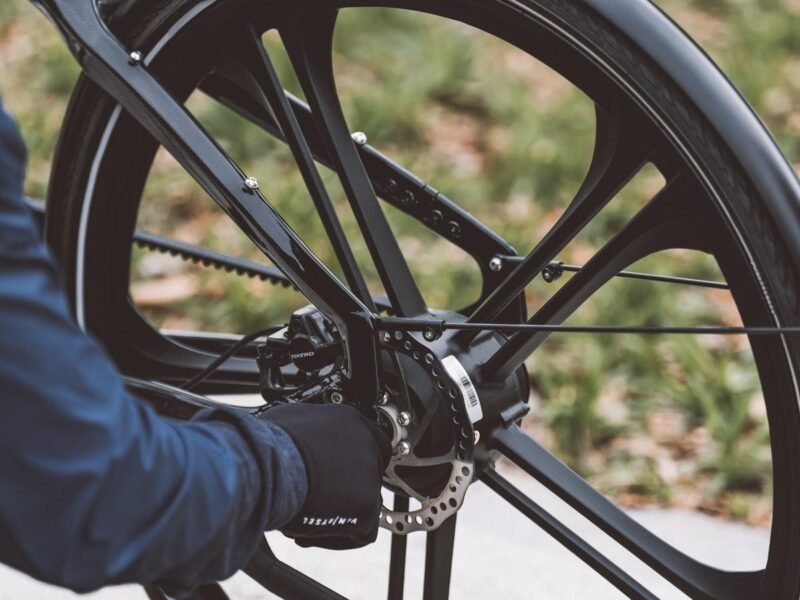
Nestled at the center of a vehicle’s intricate system lies the unsung hero of the road – the wheel hub. Often overlooked in favor of flashier components, the humble wheel hub is the true heart of the wheel, quietly bearing the weight of the car and keeping it rolling smoothly down highways and byways alike. Join us as we delve into the world of wheel hubs and explore their vital importance in keeping us safely on the move.
The Vital Role of Wheel Hubs in Vehicle Performance
When it comes to vehicle performance, one component plays a crucial role that often goes unnoticed - the wheel hub. This small, yet vital part of a vehicle’s wheel assembly serves as the connection point between the wheel and the axle. Without a properly functioning wheel hub, a vehicle’s performance can be severely compromised.
Wheel hubs are responsible for supporting the weight of the vehicle, providing a smooth and stable ride, and allowing for proper wheel rotation. They also play a key role in ensuring proper alignment and balance of the wheels, which is essential for safe driving. In addition, wheel hubs help distribute the force of a vehicle’s weight evenly across the wheel, reducing wear and tear on other components such as the tires and suspension system. In essence, wheel hubs are the unsung heroes of a vehicle’s performance, quietly working behind the scenes to keep everything running smoothly.
Understanding the Types of Wheel Hubs: Advantages and Disadvantages
When it comes to the intricate design of a vehicle, one component that often gets overlooked is the wheel hub. However, the wheel hub plays a crucial role in the overall performance and functionality of a vehicle’s wheels. There are several types of wheel hubs available, each with its own set of advantages and disadvantages. Understanding these different types can help you make an informed decision when it comes to selecting the right wheel hub for your vehicle.
One of the most common types of wheel hubs is the **solid wheel hub**. This type of hub is durable and less prone to damage, making it a reliable option for off-road vehicles or heavy-duty trucks. On the other hand, **hollow wheel hubs** are lighter in weight, which can improve fuel efficiency and make handling easier. **Quick-release wheel hubs** are another option, allowing for easy removal and installation of wheels, which can be convenient for racing or frequent maintenance. However, quick-release hubs may not be as secure as other types, so it’s essential to weigh the benefits against the risks.
Maintaining Wheel Hubs: Key Tips for Longevity and Safety
Wheel hubs play a crucial role in the overall performance and safety of your vehicle. Proper maintenance of wheel hubs is essential to ensure longevity and prevent costly repairs down the road. Here are some key tips to help you maintain your wheel hubs and keep them in top condition:
- Regular Inspection: Check your wheel hubs for any signs of wear or damage, such as loose or missing bolts, cracks, or leaks. Address any issues promptly to prevent further damage.
- Lubrication: Keep your wheel hubs properly lubricated to reduce friction and wear. Use a high-quality grease recommended by your vehicle manufacturer for optimal performance.
- Proper Torque: Make sure that the wheel hub bolts are properly torqued to the manufacturer’s specifications. Loose bolts can cause the wheel hub to become misaligned and lead to serious safety risks.
| Tip | Description |
| 1 | Inspect wheel hubs regularly for wear and damage |
| 2 | Use high-quality grease for lubrication |
| 3 | Ensure proper torque on wheel hub bolts |
By following these simple tips, you can extend the life of your wheel hubs and ensure a safe driving experience for you and your passengers. Remember, the wheel hubs are the heart of your wheels, so taking care of them is essential for the overall health of your vehicle.
Q&A
Q: What exactly is a wheel hub?
A: A wheel hub is the central component of a wheel that connects the axle to the wheel’s rim, allowing it to spin freely.
Q: Why are wheel hubs important?
A: Wheel hubs play a crucial role in supporting the weight of the vehicle and providing a smooth and stable ride by allowing the wheels to rotate smoothly.
Q: What are the signs that a wheel hub needs to be replaced?
A: Some common signs that a wheel hub needs to be replaced include loud grinding noises, excessive play in the wheel, and vibrations while driving.
Q: How often should wheel hubs be inspected?
A: It is recommended to have your wheel hubs inspected as part of regular maintenance, such as during tire rotations or brake inspections.
Q: Can wheel hubs be replaced at home or should it be done by a professional?
A: While some experienced DIY enthusiasts may be able to replace wheel hubs at home, it is generally recommended to have this task performed by a professional mechanic to ensure it is done properly and safely.
To Wrap It Up
In conclusion, the wheel hub may seem like a small and often overlooked component of a vehicle, but its importance cannot be overstated. It serves as the heart of the wheel, connecting various parts and ensuring smooth and efficient motion. By exploring the significance of wheel hubs, we gain a deeper understanding of the intricate mechanisms that keep our cars running smoothly. So next time you hit the road, take a moment to appreciate the humble wheel hub and the vital role it plays in your journey.