
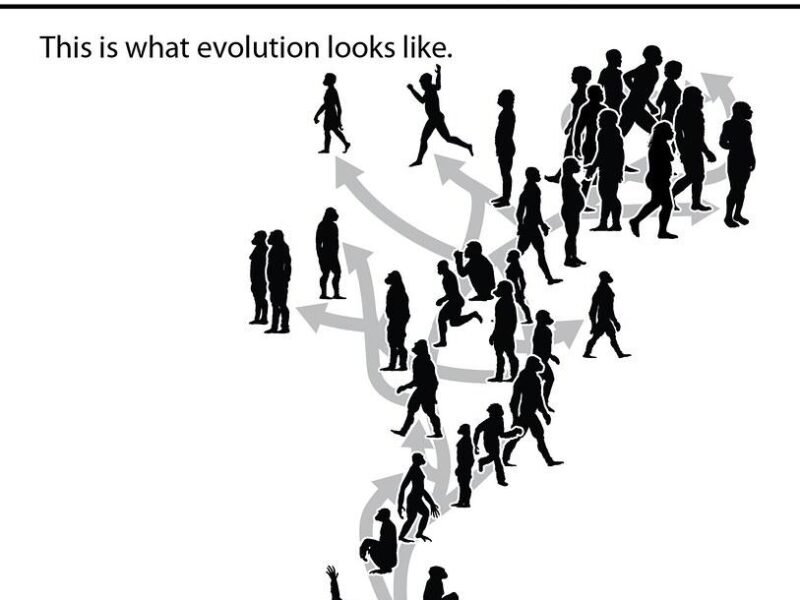
In the ever-changing landscape of human innovation, one invention stands out as a timeless symbol of progress and movement: the wheel. From its humble beginnings as a simple wooden disc to its modern-day incarnation as a technologically advanced marvel, the evolution of the wheel has been a fascinating journey that continues to shape our world today. Join us on a closer look at the fascinating history and significance of this revolutionary invention in “The Evolution of Motion: A Closer Look at the Wheel”.
The Ancient Origins of the Wheel
In ancient times, the wheel revolutionized the way humans moved and transported goods. The exact origin of the wheel is shrouded in mystery, with archaeological evidence suggesting that it may have been invented independently in different regions of the world. One of the earliest known instances of the wheel dates back to around 3500 BC in Mesopotamia, where potter’s wheels were used to create pottery.
The invention of the wheel paved the way for advancements in transportation and technology. With the discovery of the wheel, civilizations were able to create wheeled carts for easier movement of goods and people. This marked a significant shift in the way societies operated, leading to the development of trade networks and the expansion of empires. The wheel truly was a game-changer in human history, shaping the way we live and interact with the world around us.
Innovations and Improvements Through History
Let’s take a closer look at one of the most revolutionary innovations in human history: the wheel. The concept of the wheel dates back to around 3500 B.C. in Mesopotamia, where it was first used to create pottery. Over time, the wheel evolved and was eventually applied to various forms of transportation, machinery, and technology.
**Key Developments in the Evolution of the Wheel:**
– The invention of the spoked wheel revolutionized chariots and improved their speed and agility.
– The introduction of rubber tires in the 19th century enhanced the durability and performance of vehicles.
– The development of the pneumatic tire in the early 20th century made for a smoother ride and reduced wear and tear on vehicles.
Modern Applications and Future Potential
Throughout history, the wheel has been a fundamental invention that has revolutionized the way we move and transport goods. From its humble beginnings as a simple wooden disc to the modern-day complex machinery found in automobiles and industrial applications, the wheel has come a long way in its evolution. With the advancement of technology, we are now seeing the integration of the wheel in various modern applications that are pushing the boundaries of what is possible.
One of the most exciting developments in the field of wheel technology is the emergence of smart wheels. These revolutionary wheels are equipped with sensors and connectivity features that not only make them more efficient but also enhance safety and performance. Imagine a wheel that can communicate with other parts of a vehicle, provide real-time data on road conditions, and even adjust its own pressure for optimal performance. The possibilities are endless with these cutting-edge innovations that are paving the way for a more connected and automated future.
Exploring the Impact of the Wheel on Society
The wheel is a revolutionary invention that has had a profound impact on society throughout history. From its origins as a simple wooden disc to the complex rubber tires of modern vehicles, the wheel has played a crucial role in shaping the way we live, work, and travel.
Here are some key ways in which the wheel has influenced society:
- Transportation: The invention of the wheel revolutionized transportation, making it easier to move goods and people across long distances.
- Technology: The wheel is a fundamental component of many technologies, from bicycles and cars to industrial machinery and even space exploration vehicles.
- Cultural impact: The wheel has been a symbol of progress and innovation in many cultures, representing the ability to overcome obstacles and achieve new heights.
Q&A
Q: What is the significance of the wheel in human history?
A: The wheel is a crucial invention that revolutionized transportation and changed the way people lived and worked.
Q: How did the wheel evolve over time?
A: The wheel has evolved from its humble beginnings as a simple wooden disc to the sophisticated designs seen in modern vehicles and machinery.
Q: What challenges did early civilizations face in developing the wheel?
A: Early civilizations faced challenges in creating durable materials and techniques to build wheels that could withstand the rigors of travel.
Q: How has the wheel influenced society and technology?
A: The wheel has had a profound impact on society and technology, enabling advancements in transportation, industry, and communication.
Q: What are some of the lesser-known uses of the wheel?
A: The wheel has been utilized in a variety of unexpected ways, such as in irrigation systems, pottery-making, and even in games and entertainment.
Q: How has the design and function of the wheel changed over time?
A: The design and function of the wheel have evolved to meet the specific needs of different industries and applications, leading to countless variations in shape, size, and material.
The Conclusion
In conclusion, the wheel has undoubtedly played a pivotal role in the evolution of motion throughout history. From its humble beginnings as a simple wooden disc to the sophisticated design of modern-day wheels, its impact on transportation and technology is undeniable. As we continue to push the boundaries of innovation, the wheel remains a symbol of progress and efficiency. So next time you hop in a car, ride a bike, or even just marvel at a Ferris wheel, take a moment to appreciate the fascinating journey of the wheel and its endless potential for the future. Remember, sometimes the most revolutionary ideas are the simplest ones.